

Stop Night Sweats on Trips: Menopause Help for Midlife Women
The three levers that actually work are controlling your sleep environment (airflow and temperature), packing moisture-wicking layers with a backup sleep set, and pacing your trip so that jet lag, alcohol, and stress don’t stack up on your nervous system. Fix those three and most travel night sweats become manageable within a night or two. If sweats are frequent, drenching, or paired with fever or unexplained weight loss, that’s a conversation for your doctor, not your packing list.
TL;DR:
- Packing multiple sets of moisture-wicking sleepwear, lightweight bedding, and a cooling pillowcase helps prevent repeated night sweats during travel.
- Using portable gadgets like rechargeable fans, ice packs, and small water bottles can quickly cool your body and reduce sweating at night.
- Selecting hotel rooms with independent climate control, and requesting a room transfer or extra airflow if needed, minimizes environmental triggers for night sweats.
- Building in rest days, avoiding alcohol and spicy foods, and adjusting sleep schedules before travel lower the likelihood of sleep disruptions and sweating episodes.
- Frequent night sweats paired with fever, weight loss, or occurring after age 50 require consultation with a healthcare professional rather than packing solutions.
Table of Contents
- Fast Fixes for Night Sweats While Traveling
- What to Pack So Night Sweats Don’t Ruin the Trip
- How Do You Vet a Hotel for Night Sweats Before You Book?
- Daily Habits That Lower Your Risk on the Road
- When Should You See a Doctor About Night Sweats?
- NUKA’s Travel-Tested Tips for Managing Night Sweats
- A Menopause-Aware Take on Managing Night Sweats While Traveling
- Pack Smarter With Nukalove’s Travel-Ready Sleep Support
- Sources
- FAQ
Fast Fixes for Night Sweats While Traveling
Once you’re already sweating at 2 a.m. in a hotel room that isn’t yours, speed matters more than strategy. The goal is to drop your body temperature fast and get back to sleep before you’re fully awake.
Start with your skin. A cool, damp washcloth on the back of your neck, chest, or wrists pulls heat away quickly because those areas carry blood close to the surface. If you have a travel fan, angle it across your body rather than straight at your face. Cross-breeze cools faster than a single blast of air, and it won’t dry out your eyes.
- Flip your pillow to the cool, unused side instead of waiting for the sweaty one to air out.
- Change into a dry sleep top immediately. Wet fabric against skin keeps you cold and clammy, which delays sleep even after the sweat stops.
- Strip off heavy comforters or duvets right away. Sleep under a sheet or thin blanket instead.
- Crack a window or run the bathroom exhaust fan for a minute if it’s safe to do so. Moving air matters more than cold air.
- Keep a plastic bag of ice from the hotel machine, or a cold water bottle, pressed against your wrists or neck if a fan isn’t available.
Sip cool water rather than gulping it. Small amounts calm the overheated feeling without filling your bladder right before bed, which just trades one sleep disruption for another.
Pro Tip: Pack a small “cool kit” before you even leave home: a compact travel towel, a USB rechargeable fan, one spare moisture-wicking sleep top, and a cooling face mist. Keep it on the nightstand, not buried in your suitcase, so you’re not fumbling in the dark.
What to Pack So Night Sweats Don’t Ruin the Trip
Packing for night sweats is really packing for redundancy. You need enough dry, breathable options that one bad night doesn’t turn into three.
- Sleepwear and bedding. Bring two or three sets of moisture-wicking sleepwear, a packable lightweight sheet or blanket for layering, and a cooling pillowcase in silk or a eucalyptus-fiber blend. Choosing the right sleepwear fabric matters more on the road than at home, since you can’t just crank the AC to 60°F in someone else’s building.
- Small gadgets. A rechargeable USB fan, a slim power bank, an insulated water bottle, and a spare pillowcase take up almost no space and solve most in-room emergencies.
- Medications and supplements. Pack HRT or other prescriptions in original packaging with a seven-day buffer in case of travel delays. If you’re considering melatonin or magnesium for sleep support, run it by your provider before the trip, not after landing.
- TSA and logistics. Small fans and power banks generally travel fine in carry-ons; check current limits before you fly. Keep meds and your cool kit in your carry-on, not checked luggage, so an overnight flight delay doesn’t leave you without them.
How Do You Vet a Hotel for Night Sweats Before You Book?
Read recent reviews specifically for mentions of “room temperature,” “AC,” or “hot room.” A hotel with strong ratings overall can still have chronically warm rooms, and past guests usually say so if it’s a pattern.
Before booking, look for properties that explicitly advertise independent climate control per room rather than centralized building HVAC. Cruise cabins and rentals need extra scrutiny: ask directly whether the AC cycles off overnight and what the minimum thermostat setting is. If consistent sleep temperature is a priority, a river cruise or a fixed-cabin stay tends to offer more stability than a multi-port ocean itinerary with variable cabin systems.
- On arrival, set the thermostat to its coldest setting immediately and note the room’s actual temperature after an hour.
- If it won’t drop low enough, call the front desk for maintenance or a portable fan the same day, not the next morning.
- Ask for a room transfer if the unit clearly can’t keep up. Most properties will accommodate this if you ask early in your stay.
- Run the bathroom exhaust fan for extra airflow, request extra towels for quick sweat cleanup, and sleep under a sheet instead of the duvet provided.
Daily Habits That Lower Your Risk on the Road
Environmental change is one of the biggest predictors of travel-related insomnia, and business travel stress makes it worse. The habits below reduce how often night sweats even get triggered in the first place.
- Build in a buffer day rather than scheduling back-to-back full itineraries; exhaustion and stress both raise sweat frequency.
- Skip the late-night cocktail and the heavy, spicy dinner. Alcohol and spicy food can trigger flashes hours after you’ve eaten or had a drink.
- Move your last coffee earlier in the day instead of relying on afternoon caffeine to push through jet lag.
- Shift your sleep schedule gradually before you leave, and get morning light on arrival to reset your internal clock faster.
- A short course of melatonin, around 1 to 3 mg for the first two or three nights, is something some travelers use for jet lag, but only after checking with a clinician.
- Keep a consistent sleep window and a short wind-down routine, and pack earplugs or an eye mask to protect deep sleep even in unfamiliar rooms.
When Should You See a Doctor About Night Sweats?
Occasional sweating from a warm hotel room is one thing. Fever, unexplained weight loss, drenching sweats most nights, or new night sweats starting after age 50 are different, and they warrant a real medical evaluation, not a packing fix.
Menopause and HRT timing, sleep apnea, thyroid disease, certain medications, infections, and rarer conditions can all cause night sweats. Log when they happen and what preceded them (alcohol, a late meal, a stressful travel day) so you have real data for your provider. See a doctor after you’re home for recurring patterns, or seek urgent care while traveling if sweats come with chest pain, high fever, or confusion.
NUKA’s Travel-Tested Tips for Managing Night Sweats
This brand is designed with travel in mind, which shapes the approach to packing for sweat management. Compact items earn their spot in a bag precisely because they don’t take up the space a bulky nightstand fan or a full-size cooling pillow would.
- Stash oral strips in a seat-back pocket or purse for quick use during a flight, not buried at the bottom of a carry-on.
- Pair a hydration sachet with your evening cooling routine rather than treating hydration and temperature as separate problems.
- Let a small fan and a lightweight sheet or blanket do the environmental work while travel-sized supplements handle what packing alone can’t.
Pro Tip: If you’re on HRT or any prescription medication, keep that conversation with your clinician separate from general travel wellness products. NUKA supports the practical side of travel, not the diagnostic one.
A Menopause-Aware Take on Managing Night Sweats While Traveling
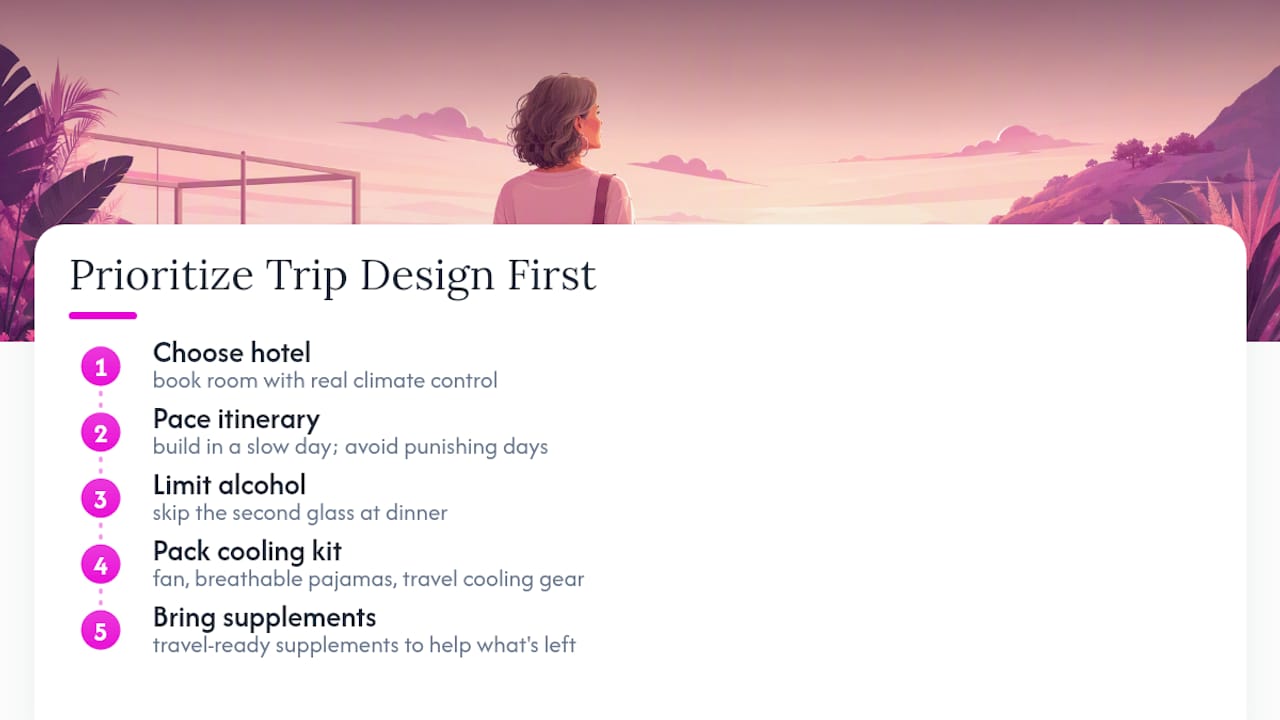
Most travel advice on this topic treats night sweats as a packing problem: bring a fan, wear the right pajamas, done. That’s incomplete. The PMC research on travel sleep health makes clear that hotel satisfaction and trip length are protective factors in their own right, which means the room you book matters as much as what you pack for it.
The bigger failure in conventional advice is treating pacing as optional. A punishing itinerary with back-to-back early flights and late dinners will trigger sweats that no amount of cooling gear can fully offset. If you take one thing from this article, prioritize the trip design first. Book a hotel with real climate control, build in a slow day, and skip the second glass of wine at dinner. Then let your cool kit and travel-ready supplements handle what’s left. Travel shouldn’t shrink around menopause. It just needs a slightly different playbook.
— NUKA
Pack Smarter With Nukalove’s Travel-Ready Sleep Support
Nukalove built its oral strip format around exactly the problem this article covers: needing real sleep support without adding bulk to a bag that already has a fan, a spare pillowcase, and a week of backup sleepwear in it.
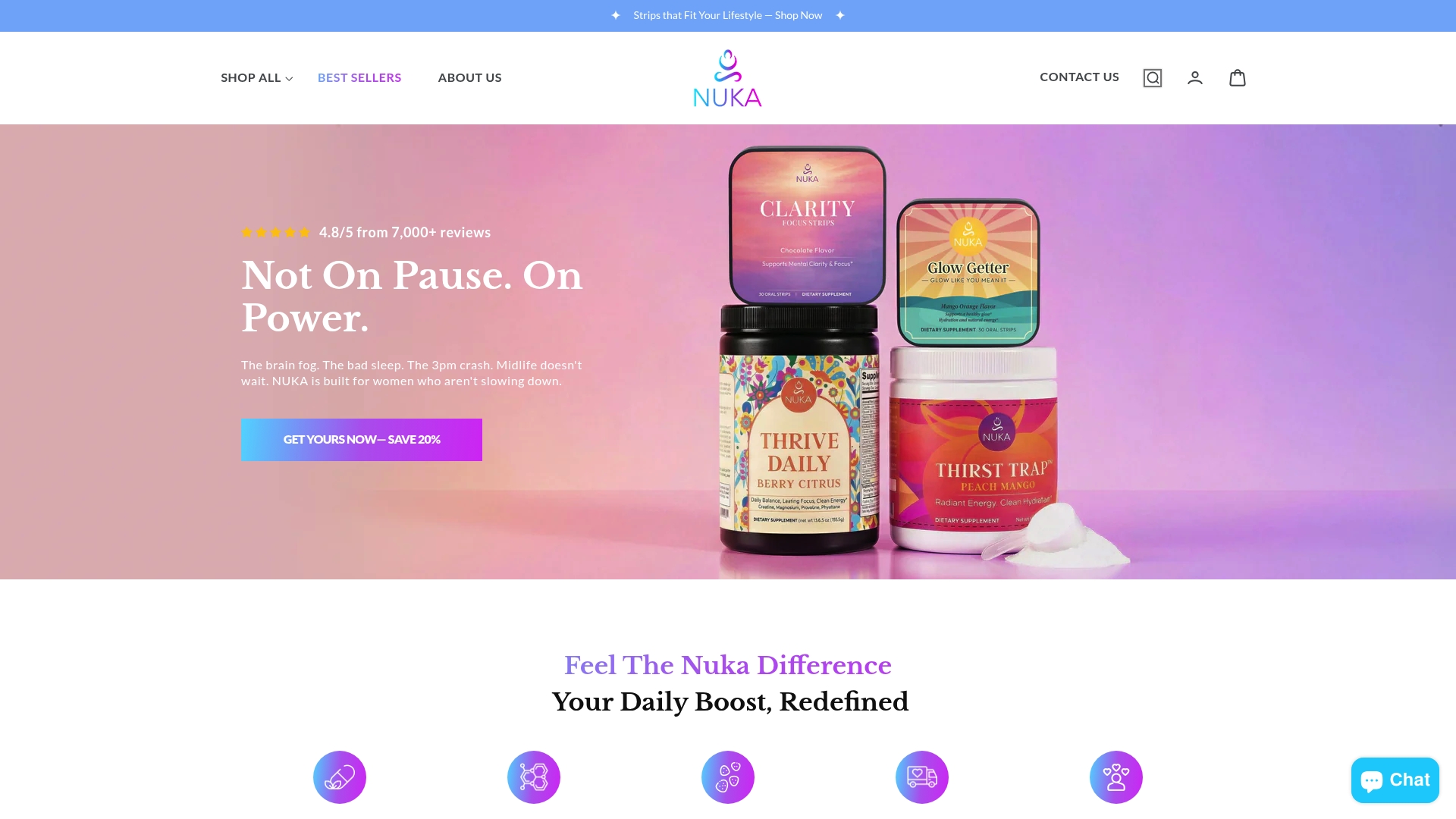
Our Sleepy Strips are designed to slide into the same cool kit you’re already packing, sitting flat in a toiletry bag or seat pocket instead of taking up the space a bottle of pills would. They fit directly into the checklist in this article: pack them next to your spare sleep top and travel fan, use them alongside your wind-down routine, and skip the guesswork of dosing pills on an unfamiliar schedule. If overnight hydration is more your concern, hydration sachets pair well with the cooling tactics above. Check product details and current availability on the Sleepy Strips product page before your next trip.
This article is general information, not a substitute for advice from a qualified doctor. Consult a qualified healthcare professional about your own circumstances before acting on anything here.
Sources
- Night Sweats: Causes and Tips to Prevent Sweating at Night — Sleep Foundation
- Effects of Environmental Change on Travelers’ Sleep Health: Identifying Risk and Protective Factors - PMC
- How I travel through perimenopause and hot flashes without giving up the joy of the trip — Fodor’s
FAQ
Why do I keep waking up at 3 a.m. drenched in sweat while traveling?
Unfamiliar rooms often run warmer than home, and travel stress, jet lag, and hotel HVAC systems that cycle off overnight can all combine to trigger sweating around the same time each night.
Why are night sweats considered a red flag?
They can signal something beyond environment or hormones, including infections, thyroid disease, or other conditions, especially when paired with fever, weight loss, or new onset after age 50.
What stops night sweats immediately?
A cool damp washcloth on your neck or wrists, a fan positioned for cross-breeze, and a quick change into dry sleepwear are the fastest ways to cool down and get back to sleep.
Which vitamin deficiency is linked to night sweats?
Definitions vary by source, and no single deficiency reliably explains most cases, so persistent or severe night sweats are worth discussing with a doctor rather than self-treating with supplements.
Does alcohol make night sweats worse while traveling?
Yes. Alcohol, especially in the evening, is a well-documented trigger for hot flashes and night sweats hours after you’ve had a drink, which makes it worth skipping on travel nights.