

Electrolytes for Women Who Fast: Dosing, Labels, and Strips
Most women can safely use electrolytes during fasting, and doing so often prevents the headaches, fatigue, and muscle cramps that cause people to quit early. The three rules that matter most: prioritize sodium, potassium, and magnesium over anything else, skip products with sugar or maltodextrin, and check with a clinician first if you take medications or manage a chronic condition. Fasting experts commonly suggest 2,000 to 5,000 mg of sodium daily during extended fasts, but going too far in the other direction, drinking large volumes of plain water without replacing sodium, raises the risk of hyponatremia.
TL;DR:
- Extended fasts commonly use 2,000 to 5,000 mg of sodium daily, while 16 to 24 hour fasts usually need little beyond normal intake.
- Spreading sodium across two or three doses can improve tolerance, and heat or exercise increases fluid and sodium losses during fasting.
- People with kidney disease or taking ACE inhibitors, ARBs, or medicines that spare potassium should seek clinician guidance before supplementing.
- Check mineral amounts per serving and calculate total daily sodium; products requiring three servings to reach a useful dose can complicate dosing.
- Fainting, severe confusion, seizures, or persistent vomiting require emergency care; fasts beyond 72 hours may call for lab tests if you feel unwell.
Table of Contents
- Why electrolytes matter during fasting
- What amounts of sodium, potassium, and magnesium actually help
- How to choose an electrolyte product without breaking your fast
- Dosing adjustments across your cycle and through menopause
- Warning signs that mean it’s time to stop or call a doctor
- Why format and label clarity matter for women who fast
- What we’d tell a friend who fasts
- A practical option for sugar-free electrolyte support
- FAQ
- Sources
Why electrolytes matter during fasting
When you stop eating, insulin drops. That single hormonal shift changes how your kidneys handle salt. Lower insulin triggers increased sodium excretion, a process called natriuresis, and as ketone production rises, it drives additional fluid loss through the kidneys. The result is a faster, larger loss of sodium and water than most people expect from simply skipping meals.
This is why the “keto flu” and the “fasting flu” look so similar. Both come down to the same mechanism: your body is shedding salt and water faster than usual, and if you are not replacing some of it, symptoms follow.
Common signs of electrolyte loss during fasting include:
- Headache, often the first and most noticeable symptom
- Lightheadedness or dizziness when standing up quickly
- Muscle cramps, especially in the legs or feet
- Heart palpitations or a fluttery feeling in the chest
- Fatigue that feels disproportionate to how long you have been fasting
These symptoms are usually manageable and resolve with modest electrolyte intake. But the risk is not evenly distributed across fasting durations. Clinical research on water-only fasting has documented cases of hyponatremia, a condition where serum sodium drops below 136 MMOs/L, during unmonitored prolonged fasts. That same research flags phosphate and potassium shifts during refeeding as a separate concern clinicians watch for after extended fasts. Neither risk is common during a typical 16 or 24 hour fast, but both become more relevant the longer a fast runs.
What amounts of sodium, potassium, and magnesium actually help
Not all electrolytes carry equal weight during a fast. Sodium loss happens fastest and causes the most immediate symptoms, so it deserves the most attention, followed by potassium and magnesium.

Sodium. Fasting guides commonly cite a range of 2,000 to 5,000 mg of sodium per day for extended fasts, a figure well above typical daily nutrition advice for the general population. That gap exists because fasting puts the body into a salt-wasting state, the opposite of the usual concern about overconsumption. Spreading sodium across the day in smaller doses, rather than one large dose, tends to sit better and avoids a jolt to your system.
Potassium. The NIH Office of Dietary Supplements sets adequate intake levels for adult women and notes that most people already fall short of them day to day. During fasting, potassium needs don’t necessarily increase beyond that baseline, but the margin for error narrows. Anyone on blood pressure medication, a potassium-sparing diuretic, or managing kidney disease should treat potassium supplementation with caution and loop in a clinician before adding more.
Magnesium. Supplemental magnesium during fasting typically falls in smaller doses than sodium, often in the range of a few hundred milligrams. Magnesium glycinate and citrate tend to be gentler on digestion than magnesium oxide, which some women find causes loose stools at higher doses.
The gap between dietary RDA and fasting needs is real. Standard nutrition guidelines are built for people eating regular meals; fasting changes the math entirely, which is why generic “daily value” percentages on a supplement label can undersell what your body actually needs during an extended fast.
How to choose an electrolyte product without breaking your fast
Pure electrolytes with no calories do not break a fast. The problem is that many electrolyte products are not pure. Research on fasting safety notes that carbohydrates, added sugars, and maltodextrin in electrolyte mixes can spike insulin and undo the metabolic state you’re fasting for in the first place.
Before buying anything, run through this checklist:
- Confirm the label lists zero or near-zero calories per serving.
- Check that sodium, potassium, and magnesium are listed in milligrams, not vague “electrolyte blend” totals.
- Scan the ingredient list for sugar, dextrose, maltodextrin, or fruit juice concentrate, and skip anything that includes them.
- Do the serving-size math: if a product requires three servings to hit a useful sodium dose, that changes how often you’ll actually need to use it.
Format matters too. Oral strips dissolve without water and carry a minimal glycemic load, which makes them convenient for fasting windows when you don’t want to mix a drink. Powders give you more control over exact dosing since you can measure how much you dissolve. Liquid drops are the most concentrated option, useful when you want a small volume with a large sodium payload, though that concentration can feel harsh if not diluted.
Timing also affects how your body tolerates a dose. Spreading sodium intake across the day rather than taking it all at once in the morning tends to reduce the chance of palpitations in women who are sensitive to rapid shifts. Many women find it most useful right after exercise or as soon as symptoms like headache or cramping start.
Pro Tip: To estimate your actual sodium intake from a label, multiply the milligrams per serving by the number of servings you use that day, and mix powders into mineral water rather than plain tap water if you want a small additional mineral boost.
Dosing adjustments across your cycle and through menopause
Electrolyte needs are not static across a month, and they shift again at menopause.
- Luteal phase (roughly days 20 to 28): Rising progesterone acts as a mild diuretic for many women, which can mean slightly faster fluid and sodium turnover. Paying closer attention to symptoms during this window, rather than following a fixed daily amount, tends to work better than a one-size approach.
- Menopause: Vasomotor symptoms like hot flashes and night sweats change how fluid moves through the body and can alter how hydrated you feel even when intake hasn’t changed. Our guide to electrolytes during menopause walks through these shifts in more detail.
- Activity and climate: Hotter weather or an added workout during a fasting window both increase sweat losses, which means sodium and fluid needs climb accordingly.
- Short fasts versus multi-day fasts: A 16 to 24 hour fast rarely requires much beyond normal intake, while a 48 to 72 hour fast benefits from a planned daily sodium target spread across two or three doses.
Research on fasting and exercise in women found that electrolyte and osmolarity changes varied quite a bit depending on exercise intensity and environment, which reinforces that a flexible, symptom-based approach beats a rigid formula.
One more note on safety: women taking ACE inhibitors, ARBs, or potassium-sparing diuretics should be especially careful with potassium and sodium supplementation, since these medications already affect how the body regulates both. A quick conversation with a prescriber before starting a fasting protocol with supplements is worth the five minutes.
Warning signs that mean it’s time to stop or call a doctor
Most electrolyte symptoms during fasting are mild and respond to a small sodium or magnesium dose. Some signs mean it’s time to stop fasting and seek care instead of adjusting your supplement routine.
- Seek emergency care immediately if you experience fainting, severe confusion, seizures, or vomiting that won’t stop.
- Request lab work (serum sodium, potassium, and magnesium) if you’re fasting beyond 72 hours, feel persistently unwell, or take medications that interact with electrolyte balance.
- Track basic home metrics daily: body weight, blood pressure if you have a cuff, and urine color as a rough hydration gauge, pale yellow is the target.
- Refeed conservatively after a long fast rather than eating a large meal right away, since rapid refeeding can itself shift phosphate and potassium levels.
Our breakdown of electrolyte side effects and interactions covers more of the less common reactions worth knowing about before you start.
Why format and label clarity matter for women who fast
We built our product line around a simple observation: supplement timing during a fast is awkward when a product requires mixing, measuring, or a full glass of water on an already-empty stomach. Oral strips dissolve directly without that friction, which matters during a fasting window.
- No mixing or measuring means less room for dosing guesswork mid-fast.
- A fast-dissolving strip creates a lighter load on an empty stomach than a large liquid serving.
- Compact, flat packaging travels easily, which matters for anyone fasting while away from home.
For more detail on reading labels and comparing sugar content across products, our guides on sugar-free electrolyte options and choosing between water and electrolytes go deeper than we can cover here.
What we’d tell a friend who fasts
Safety comes first: know your sodium and potassium targets before you start, and don’t guess at amounts. After that, convenience is what makes a routine stick, especially for women managing hot flashes or travel schedules where mixing a drink isn’t practical. A strip that dissolves in ten seconds solves a problem that a powder packet in your suitcase doesn’t. Keep a mental note of your label-reading checklist and your warning signs, because those two things matter more than any specific product.
— NUKA
A practical option for sugar-free electrolyte support
For women who want a portable way to hit sodium, potassium, and magnesium targets without added sugar or maltodextrin, oral strips and hydration powders are convenient options that can provide clearly labeled milligram amounts, zero added sugar, and formats that don’t require mixing in a glass before a fast.
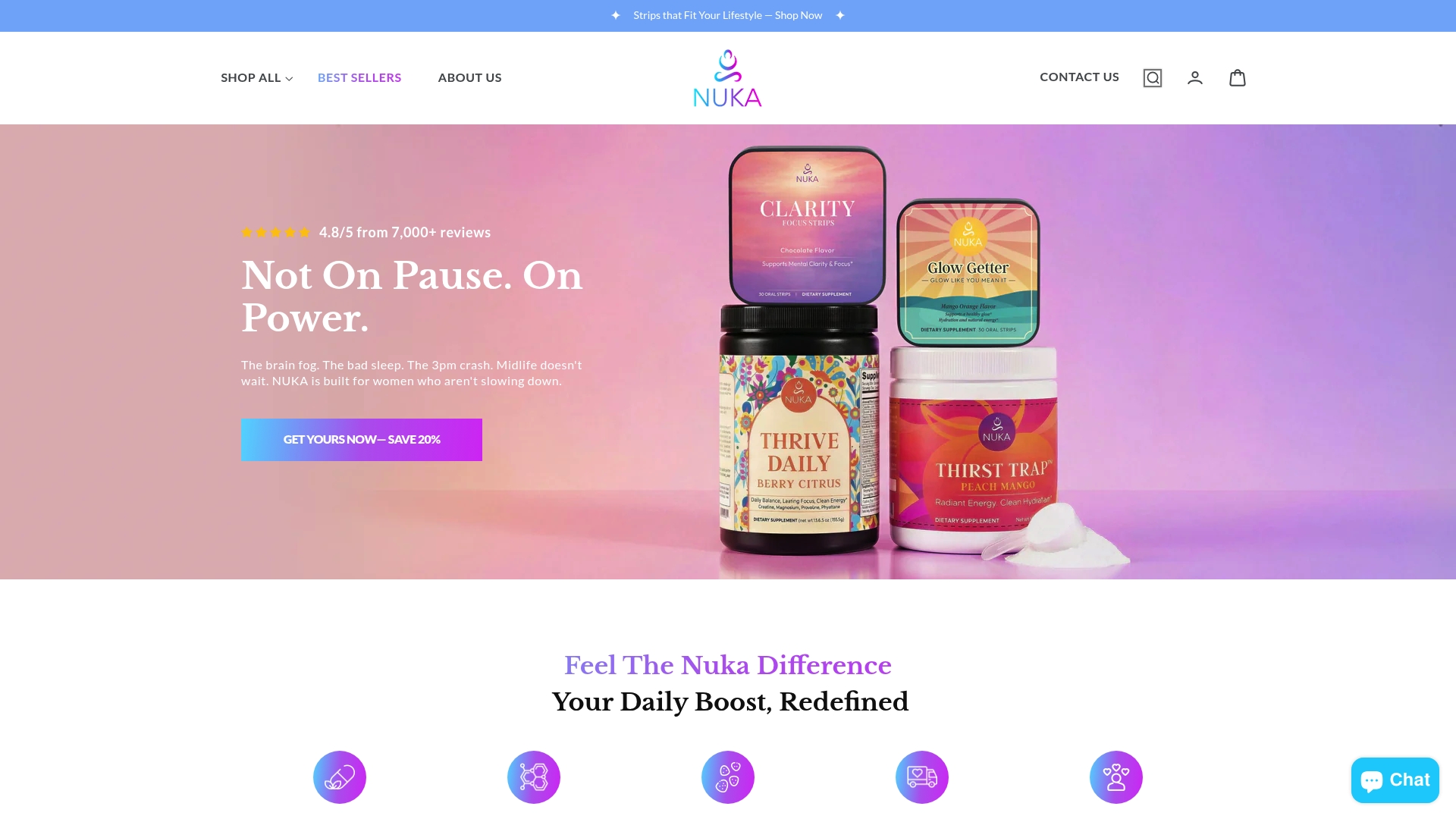
- Oral strips dissolve without water, which fits a fasting window where you don’t want a large liquid volume.
- Hydration powder gives more control over dosing when you want to measure a specific sodium amount.
- Both product types are typically formulated without sugar or maltodextrin, so they won’t interfere with the metabolic state fasting is meant to produce.
| Format | Best for | What to check |
|---|---|---|
| Oral Strips | Fast, no-mix dosing during a fasting window | Sodium/potassium/magnesium listed in mg per strip |
| Thirst Trap powder | Precise dosing across a multi-day fast | Zero sugar, mineral content in mg per scoop |
As with any supplement routine, check with a clinician first if you take medications like ACE inhibitors, ARBs, or diuretics, or manage a chronic health condition. Explore the Oral Strips collection or the full product catalog to find the format that fits your routine.
This article is general information, not a substitute for advice from a qualified doctor. Consult a qualified healthcare professional about your own circumstances before acting on anything here.
FAQ
Is it a good idea to take electrolytes while fasting?
Yes, for most women, as long as the product contains no sugar, carbohydrates, or maltodextrin that could spike insulin. Pure electrolytes without calories do not break a fast and often prevent headaches, cramps, and fatigue linked to sodium loss.
Can I take electrolytes while fasting for 72 hours?
Electrolytes become more important, not less, the longer a fast runs, and a 72-hour fast calls for a planned daily sodium target spread across the day. At that duration, clinical research on prolonged fasting recommends monitoring for hyponatremia and considering lab work if you feel unwell or take interacting medications.
Will electrolytes stop autophagy?
Pure electrolytes without calories do not appear to interfere with the fasting state, since autophagy is primarily triggered by low insulin and reduced nutrient availability. Products containing sugar or maltodextrin are the concern, since those can raise insulin and shift your body out of a fasting metabolic state.
What is the best electrolyte to take while fasting?
Sodium deserves the most attention since it’s lost fastest during fasting, with potassium and magnesium playing supporting roles. A product that lists each mineral’s milligram amount clearly, with zero sugar, lets you adjust the mix based on your symptoms and activity level.
Sources
- Is Water-Only Fasting Safe? — PMC detailed study
- Potassium - Health Professional Fact Sheet — NIH ODS