

Collagen for Menopause: Skin, Joints, and Bone Guide
Hydrolyzed collagen peptides offer modest, evidence-backed benefits for skin and joint symptoms during menopause, and promising support for bone density when taken consistently over time. Clinical studies point to 5–10 g daily as the effective range, with skin and joint changes typically appearing after 8–12 weeks and bone mineral density improvements requiring closer to 12 months of consistent use. If you’re in perimenopause or postmenopause and wondering whether a collagen supplement is worth adding to your routine, the short answer is: probably yes, with realistic expectations and the right form.
TL;DR:
- Who may benefit most: Postmenopausal women experiencing skin thinning, joint stiffness, or early bone density concerns
- What to expect: Gradual, modest improvements, not dramatic overnight changes; skin and joints respond faster than bone
- Dose: 5–10 g daily of hydrolyzed collagen peptides, ideally with vitamin C
- Safety flag: If you have chronic kidney disease, a history of kidney stones, or known fish or beef allergies, check with your clinician before starting
Table of Contents
- Why collagen drops after menopause and what that costs you
- What clinical research shows about dose, timing, and outcomes
- How collagen may help by system: realistic expectations for each area
- Which form of collagen works best and how to dose it
- Side effects, allergens, and when to check with your clinician
- How to choose a collagen supplement that actually fits menopause needs
- How to tell if collagen is working for you
- Key Takeaways
- The case for collagen during menopause: a Nukalove perspective
- Nukalove’s menopause-focused formulas meet the checklist
Why collagen drops after menopause and what that costs you
Estrogen does more than regulate your cycle. It directly stimulates fibroblasts, the cells responsible for producing collagen throughout your skin, joints, and bones. When estrogen declines at menopause, fibroblast activity slows, and collagen synthesis drops with it.
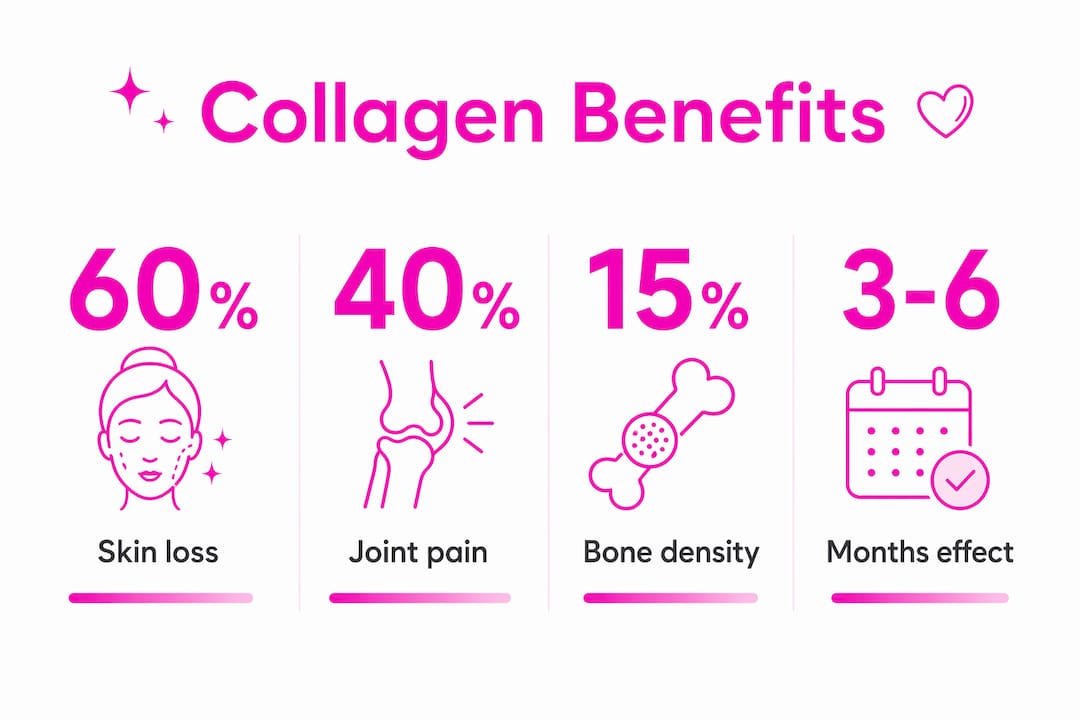
The numbers are striking. Women can lose a significant portion of skin collagen in the years after menopause, with a steep early decline followed by a gradual decrease each year. That’s not a slow fade. It’s a steep early drop that explains why skin changes can feel sudden in the years right around the menopause transition.
The consequences reach beyond skin. Cartilage in your joints relies on collagen for its cushioning structure. Bone is roughly one-third organic matrix, most of which is collagen, and that matrix provides the scaffold for mineral deposition. When collagen production slows, joint stiffness and bone fragility both increase, independent of the mineral side of bone health.
Collagen supplementation is supportive, not a replacement for hormone therapy or other prescribed menopause treatments. Think of it as addressing one specific physiological gap, not the whole picture.
What clinical research shows about dose, timing, and outcomes
The evidence base for collagen during menopause has grown meaningfully over the past decade, though it’s still maturing. Here’s what the strongest trials actually show.
Dosing and timelines with clinical support:
- Skin hydration and elasticity: Improvements reported in systematic reviews and RCTs at 5–10 g daily after a minimum of 8–12 weeks; results are less consistent when industry-funded studies are set aside
- Joint pain and function: Multiple trials show reduced pain scores and improved mobility, often at the lower end of the dose range (2.5–5 g), within 8–12 weeks
- Bone mineral density: A year of daily collagen peptide supplementation measurably increased BMD in the lumbar spine and upper femur in postmenopausal women in randomized trials; 5 g/day was the common study dose
- Genitourinary symptoms: A pilot randomized study published on PubMed found that combining oral collagen peptides with radiofrequency therapy produced statistically significant improvements in subjective symptoms, objective signs, and vaginal pH compared to radiofrequency alone
| Endpoint | Typical study dose | Minimum time to measurable change |
|---|---|---|
| Skin hydration and elasticity | 5–10 g/day | 8–12 weeks |
| Joint pain and function | 2.5–10 g/day | 8–12 weeks |
| Bone mineral density (lumbar spine, femur) | 5 g/day | 12 months |
| Genitourinary symptoms (combined therapy) | Daily peptides + RF | — |
On evidence quality: The bone findings from randomized controlled trials are among the most compelling. Skin results are real but more variable, partly because skin outcome measures are harder to standardize and partly because industry-funded studies dominate the literature. Joint findings sit in the middle: multiple meta-analyses support benefit, though sample sizes in individual trials are often small.
How collagen may help by system: realistic expectations for each area
Skin
Consistent supplementation tends to improve hydration, elasticity, and fine-line depth, but the effect is gradual. Expect modest, measurable change at 8–12 weeks, not a visible transformation at two weeks. Independent studies show mixed results, so the benefit is real for many women but not guaranteed for everyone. Topical collagen, for comparison, does not penetrate the dermis and has no meaningful effect on collagen synthesis. Oral supplementation is the route with actual clinical backing.
Joints
This is where the evidence is fairly consistent. Multiple trials and meta-analyses report reduced joint pain and improved function scores in women with osteoarthritis and menopausal joint symptoms. The mechanism makes sense: collagen peptides appear to accumulate in cartilage tissue and may stimulate local collagen synthesis. Women who also do resistance training tend to see better functional outcomes, likely because exercise amplifies the mechanical signal that collagen peptides help support.

Bone
The most compelling emerging evidence for postmenopausal women is in bone support. A year of collagen peptides raised BMD in small trials, per UCLA Health’s clinical summary. The effect is best understood as supporting the organic matrix, not replacing calcium or vitamin D, which remain the primary mineral inputs. Combining collagen with adequate calcium and vitamin D gives bone the full set of building blocks it needs.
Hair and nails
Some trials report modest improvements, particularly when collagen is combined with cofactors like vitamin C and silica. The evidence here is thinner than for skin or bone, and results vary considerably between individuals.
Realistic expectations across all systems: Changes are gradual. Individual responses vary. Collagen is not a cure, and it works best as part of a broader approach that includes adequate dietary protein, resistance exercise, and the right cofactors.
Which form of collagen works best and how to dose it
Hydrolyzed collagen peptides: why the form matters
“Hydrolyzed” is not a marketing word. Hydrolysis breaks collagen chains into smaller peptides that are genuinely more bioavailable than unhydrolyzed gelatin or collagen-rich foods like bone broth. Once absorbed, those peptides act as biological signals to fibroblasts, prompting increased endogenous collagen production. That signaling mechanism is why daily consistency matters more than occasional high doses.
Practical dosing guidance:
- Start at 5 g/day and work up to 10 g if targeting skin and joints
- For bone density, trials used 5 g/day for 12 months; don’t expect DEXA changes before that window
- Always pair with vitamin C, which is a required cofactor for collagen synthesis; without it, the amino acids can’t be assembled efficiently
- Add calcium and vitamin D if bone is a primary concern; add hyaluronic acid if skin hydration is the priority
Source comparison
| Source | Primary collagen types | Common clinical use | Allergen note |
|---|---|---|---|
| Marine (fish) | Type I | Skin hydration and elasticity | Fish allergy risk |
| Bovine | Types I and III | Skin, bone, connective tissue | Beef allergy; not suitable for vegetarians |
| Porcine | Types I and III | Similar to bovine | Pork allergy; not suitable for some religious diets |
| Undenatured type II (chicken) | Type II | Joint cartilage support | Poultry allergy; lower dose range (5–10 g) |
Marketing often positions marine collagen as superior for skin and bovine for bone. In practice, clinical results depend far more on peptide quality, dose, and cofactors than on minor source differences. Choose based on your allergen profile and dietary preferences, not brand claims.
On delivery format: Powder mixed into drinks is the most common format in clinical trials. Capsules work but require more pills to reach a 5–10 g dose. Oral strips offer a convenient, travel-ready alternative with fast absorption and no mixing required. Match the format to your lifestyle and any allergen restrictions.
Side effects, allergens, and when to check with your clinician
Collagen supplements are generally well tolerated. The most common complaints are mild GI symptoms: bloating, nausea, or loose stools, usually at higher doses or when starting. These often resolve within a week or two.
Specific situations that warrant a clinician conversation before starting:
- Chronic kidney disease or reduced kidney function (higher protein intake adds metabolic load)
- History of kidney stones, particularly calcium oxalate stones (some amino acids in collagen can convert to oxalate)
- Liver disease
- Known allergy to fish, beef, or pork (depending on the collagen source)
- Any complex medication regimen, since supplements can interact with certain drugs
Dietary supplements are not FDA-approved for efficacy or safety before they reach the market. That means the quality control burden falls on the manufacturer and, ultimately, on you as the buyer. Third-party testing seals from organizations like USP, NSF International, or Informed Sport are the most practical ways to verify that a product contains what it claims.
Pro Tip: If you have any of the medical red flags above, bring the specific product label to your clinician, not just the category name. The source (marine vs. bovine) and the dose per serving both matter for the conversation.
How to choose a collagen supplement that actually fits menopause needs
A good label tells you most of what you need to know. Here’s what to look for and what to avoid.
Green flags:
- “Hydrolyzed collagen peptides” stated explicitly on the label (not just “collagen complex”)
- Clear dose per serving so you can calculate whether you’ll reach 5 g/day
- Vitamin C included in the formula, or clear stacking instructions
- Third-party testing seal (USP, NSF International, or Informed Sport)
- Transparent sourcing and allergen declarations
- Batch testing information or a way to contact the manufacturer
Red flags:
- “Proprietary collagen blend” with no peptide amount disclosed
- Vague “collagen complex” language without specifying hydrolyzed peptides
- Added sugars, artificial colors, or unnecessary fillers
- No contact information or batch testing records
- Claims that sound too specific (“rebuilds cartilage in 30 days”) without cited evidence
Questions worth asking your clinician or the brand:
- “Is this source safe given my kidney history or dietary restrictions?”
- “What dose should I aim for given my current protein intake?”
- “Does this formula include vitamin C, or do I need to add it separately?”
For women who travel frequently or have unpredictable schedules, format matters as much as formula. Oral strips dissolve without water and don’t require measuring or mixing, which makes consistency easier when you’re away from home. Powder formats work well for women who have a fixed morning routine and can mix into coffee, smoothies, or water daily. Understanding the broader picture of perimenopause and menopause symptoms can also help you prioritize which supplement gaps to address first.
How to tell if collagen is working for you
Tracking matters because collagen changes are gradual and easy to dismiss or overattribute. A simple baseline record at the start of your trial gives you something real to compare against.
What to track by goal:
- Skin: Weekly photographs in the same lighting, subjective hydration notes (does skin feel tight or comfortable after washing?), and elasticity (does skin spring back quickly when pinched?)
- Joints: A simple 0–10 pain score for your most affected joint, range of motion notes, and how quickly you recover after activity
- Bone: BMD via DEXA scan, but only at your clinician’s recommendation and on their timeline; don’t self-order this
| Goal | What to track | When to reassess |
|---|---|---|
| Skin hydration and elasticity | Photos, hydration diary, elasticity check | 8–12 weeks |
| Joint pain and function | Pain score (0–10), activity recovery time | 8–12 weeks |
| Bone mineral density | DEXA scan (clinician-ordered) | 12 months minimum |
A symptom diary doesn’t need to be elaborate. A note in your phone once a week, covering pain level, skin feel, and energy, takes two minutes and gives you a six-week trend to evaluate. If you see no change at 12 weeks for skin or joints, consider whether your dose is adequate, whether you’re including vitamin C, and whether lifestyle factors (sleep, protein intake, resistance training) are in place. Bone is a longer game: don’t draw conclusions before 12 months, and always measure it with a DEXA, not subjective feel.
Combining collagen with resistance training, adequate dietary protein, calcium, and vitamin D gives you the best odds of a meaningful response across all three systems.
Key Takeaways
Hydrolyzed collagen peptides at 5–10 g daily offer modest, evidence-backed support for skin, joints, and bone during menopause, with skin and joint changes appearing in 8–12 weeks and bone density improvements requiring 12 months of consistent use.
| Point | Details |
|---|---|
| Dose and timeline | Take 5–10 g of hydrolyzed collagen peptides daily; expect skin and joint changes in 8–12 weeks, bone changes after 12 months. |
| Estrogen and collagen loss | Women can lose up to 30% of skin collagen in the first five years after menopause, making supplementation a relevant strategy. |
| Always pair with vitamin C | Vitamin C is a required cofactor for collagen synthesis; without it, the amino acids cannot be assembled efficiently. |
| Safety check first | Those with kidney disease, kidney stone history, or fish or beef allergies should consult a clinician before starting. |
| Nukalove format advantage | Nukalove’s travel-ready oral strips make daily consistency easier for busy or traveling women managing menopause symptoms. |
The case for collagen during menopause: a Nukalove perspective
The evidence for collagen during menopause is real, but it’s easy to overstate. What the research actually shows is modest, consistent benefit for women who take the right form, at the right dose, for long enough, while also eating adequate protein and including the cofactors that make synthesis possible. That’s a more nuanced picture than most supplement marketing offers.
At Nukalove, the approach starts with diet. Adequate protein and vitamin C from food come first. Supplements fill gaps, not replace foundations. What the research also shows is that consistency is the single biggest predictor of benefit, and consistency is hardest to maintain when a supplement requires measuring, mixing, or refrigerating. That’s the practical problem Nukalove’s oral strip format addresses: a precise dose, no prep, and fits in a carry-on. For women managing menopause symptoms through busy schedules and frequent travel, that friction reduction is not trivial.
If you have a complex medical history, including kidney issues, known allergies, or current medications, please discuss any new supplement with your clinician before starting. This article is general information, not medical advice, and your individual situation may call for a different approach.
Nukalove’s menopause-focused formulas meet the checklist
Most collagen supplements ask you to measure out a scoop, find something to mix it into, and remember to do it every morning. Nukalove’s approach is different: compact oral strips that dissolve fast, travel anywhere, and remove the friction that kills consistency.
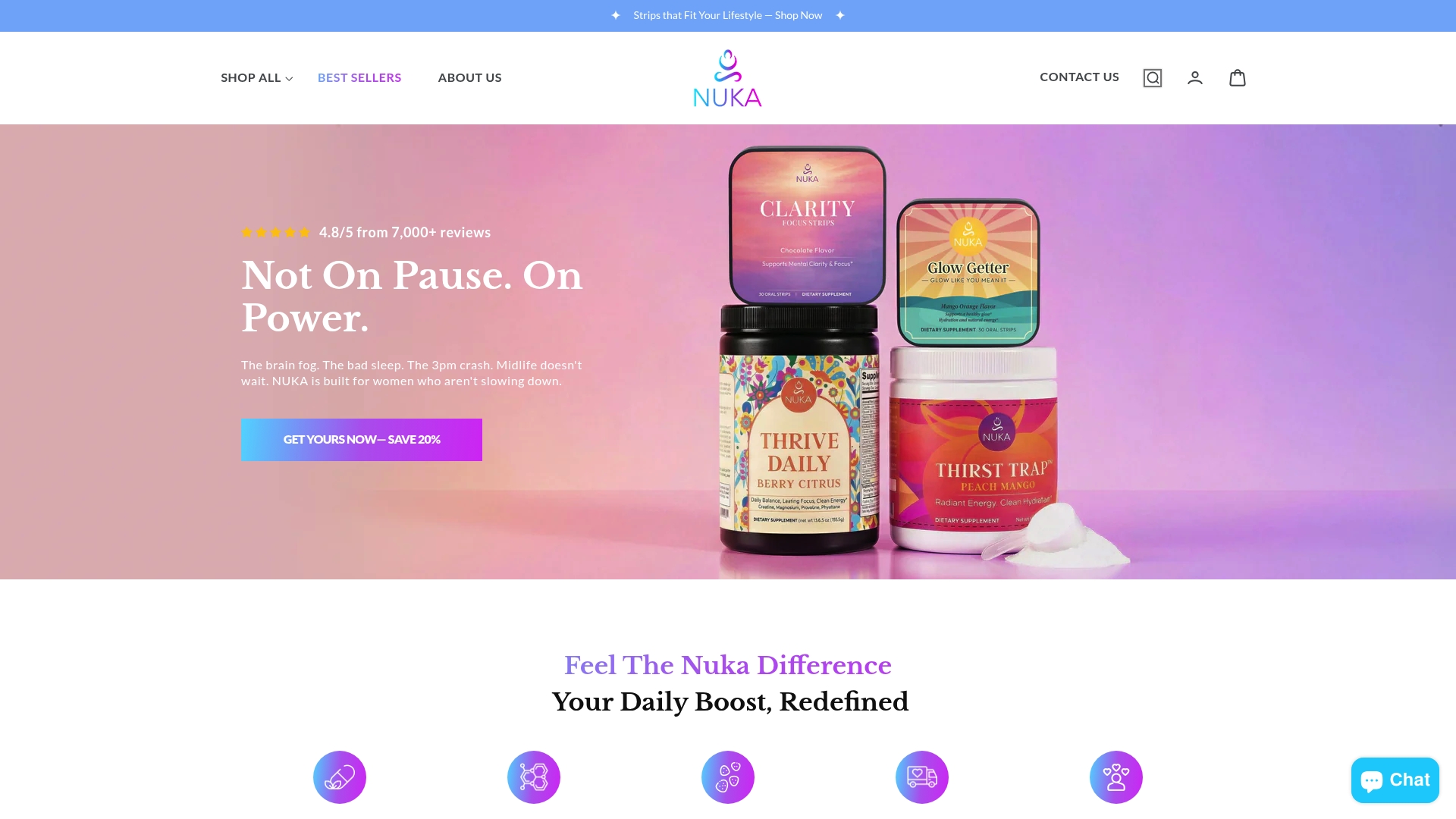
The No Pause Power Pack bundles menopause-focused formulas designed for women who need their wellness routine to keep up with their life, not the other way around. For skin-specific support, the Glow Getter oral strips target radiant skin and hair in a format that fits in a purse pocket. Every product is designed by a women-owned brand that focuses specifically on menopause, not a general wellness company that added a menopause line.
If you have a complex medical history, check with your clinician before starting any new supplement. When you’re ready to explore, browse the full Nukalove wellness collection to find the format and formula that fits your routine.
Primary sources and further reading
| Source | Why it’s useful |
|---|---|
| HealthCentral: Collagen and Menopause | Clinical dosing guidance (5–10 g/day), timelines, and safety overview for menopause-specific use |
| UCLA Health: Collagen Peptides and Menopausal Bone Loss | Summarizes RCT evidence for BMD improvements in lumbar spine and femur after 12 months |
| ThisIsMenopause: Collagen Benefits and Research | Covers skin collagen loss statistics, evidence quality nuances, and the signaling mechanism of peptides |
| Caroline Hill Nutrition: Dietitian’s Guide | Dietitian perspective on hydrolysis, bioavailability, diet-first approach, and cofactor importance |
| PubMed: Oral Collagen Peptides and GSM Pilot RCT | Pilot randomized study on collagen peptides combined with radiofrequency for genitourinary syndrome of menopause |
| Nukalove: Hormone Havoc Blog | Brand resource covering perimenopause and menopause symptoms, nutrition, and supplement context |