

Best Brain Fog Supplements for Menopausal Women
Which supplements actually help with menopausal brain fog?
The best brain fog supplements for menopausal women are not a mystery. The clinical evidence points to a short, specific list: omega-3 fatty acids in clinically relevant dosages of EPA + DHA, magnesium at generally recommended daily doses, B vitamins, notably B12 and folate, ashwagandha, L-theanine, lion’s mane mushroom, and creatine. These work because they target the exact biological pathways menopause disrupts, including acetylcholine synthesis, nerve growth factor activity, and synaptic integrity.
What separates useful supplements from shelf-fillers is specificity. As Harvard’s Dr. Pieter Cohen notes, generic brain health supplements rarely deliver on their promises. The ones that work address a verified deficit or a documented mechanism, not a marketing claim.
At a glance, the core supplements and their primary benefits:
- Omega-3s (EPA + DHA): Maintain brain cell membrane structure, reduce neuroinflammation
- Magnesium: Stabilizes the blood-brain barrier, lowers oxidative stress, supports memory
- B vitamins (B6, B12, folate): Energy metabolism, neurotransmitter production, cognitive protection
- Ashwagandha: Adaptogen that lowers cortisol and supports stress-related cognitive fatigue
- L-theanine: Promotes calm focus, often paired with caffeine for sharper attention
- Lion’s mane: Stimulates nerve growth factor, supports neuroplasticity
- Creatine: Fuels ATP production in brain cells, improves alertness and processing speed
- Vitamin D: Supports nerve cell function; deficiency is directly linked to mood and memory issues
Table of Contents
- Understanding brain fog during menopause
- How to choose effective brain fog supplements during menopause
- Lifestyle and dietary foundations that support brain health in menopause
- Nukalove’s supplement line for menopausal brain fog
- Key Takeaways
- A sharper take on the supplement conversation
- Nukalove is built for exactly this moment
Understanding brain fog during menopause
Menopausal brain fog is not the same as ordinary forgetfulness. It shows up as slower processing speed, word-retrieval gaps, difficulty concentrating, and mental fatigue that feels disproportionate to the task. The biological driver is largely estrogen’s declining support of acetylcholine, the neurotransmitter most tied to learning and memory. When estrogen drops, acetylcholine synthesis slows, nerve growth factor decreases, and synaptic connections weaken.

But hormones are only part of the picture. Cognitive symptoms during perimenopause and menopause are genuinely multifactorial. Sleep disruption, elevated cortisol from chronic stress, mood disorders, thyroid dysfunction, and iron deficiency can all compound hormonal effects. That overlap is why self-diagnosing and self-treating with supplements alone often falls short.
Common contributors to menopausal brain fog:
- Estrogen and progesterone fluctuations affecting neurotransmitter balance
- Sleep fragmentation from night sweats and insomnia
- Elevated cortisol from psychological stress
- Subclinical hypothyroidism or iron deficiency
- Depression or anxiety (both cause and consequence of cognitive symptoms)
- Medication side effects from drugs commonly used during menopause
Pro Tip: If your brain fog is accompanied by extreme fatigue, significant mood changes, or worsening memory over months, ask your doctor to rule out thyroid disease and B12 deficiency before attributing everything to menopause. These conditions are treatable and frequently overlooked in midlife women. For a broader look at what menopause does to your body, Nukalove’s guide on perimenopause symptoms is worth reading.
How to choose effective brain fog supplements during menopause
The supplement aisle is not your friend here. Most products marketed for “brain health” contain ingredients at doses too low to matter, or ingredients with no meaningful human trial data behind them. The smarter approach starts with blood work.
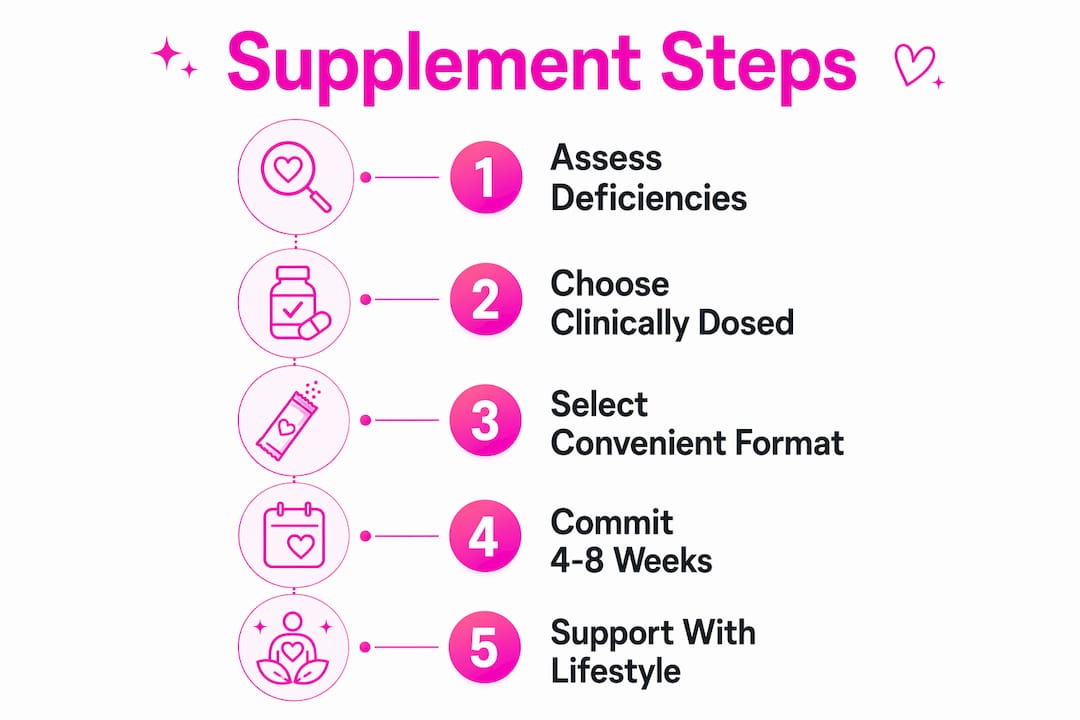
Correcting verified deficiencies in B12, vitamin D, and iron first gives you a clean baseline. From there, adding supplements with documented mechanisms for menopausal cognition makes sense. Omega-3s and magnesium are the strongest starting points for most women.
Key criteria when evaluating any supplement:
- Clinical dosage: Does the product deliver the dose used in research? Many don’t.
- Bioavailability: Magnesium glycinate absorbs better than magnesium oxide; methylcobalamin outperforms cyanocobalamin for B12.
- Delivery format: Oral strips dissolve sublingually for faster absorption than capsules, and they travel without a pill organizer.
- Ingredient transparency: Avoid proprietary blends that hide individual ingredient amounts.
- Interaction awareness: Ginkgo biloba can increase bleeding risk with blood thinners; high-dose B6 can cause nerve issues over time. Always review with your prescriber if you take any menopausal hormone therapy or antidepressants.
Pro Tip: Cognitive effects from supplements typically take 4–8 weeks to appear. Stopping at week two because you “don’t feel anything” is the most common reason women miss the benefit. Set a two-month minimum before evaluating whether something is working.
Nutrition during hormonal transitions matters more than most women realize. The connection between diet quality and cognitive health is well-established, and resources on nutrition and hormonal wellness offer useful context on how foundational eating habits shape long-term brain health.
Lifestyle and dietary foundations that support brain health in menopause
No supplement outperforms a poor lifestyle. That sounds blunt, but the research is consistent: physical exercise, sleep quality, and diet quality are the strongest modifiable factors for cognitive health during menopause.
Aerobic exercise increases BDNF (brain-derived neurotrophic factor), which supports neuroplasticity. A Mediterranean-style diet, rich in oily fish, leafy greens, olive oil, and whole grains, provides the omega-3s, B vitamins, and antioxidants that the brain needs most during this transition. Chronic sleep debt, on the other hand, impairs memory consolidation in ways no supplement can fully compensate for.
Practical non-supplement strategies that genuinely move the needle:
- Aim for 150 minutes of moderate aerobic activity per week
- Prioritize 7–9 hours of sleep; address night sweats with breathable bedding and room cooling
- Eat fatty fish (salmon, sardines, mackerel) at least twice a week
- Limit alcohol, which disrupts sleep architecture and directly impairs memory
- Practice stress management daily: even 10 minutes of meditation or breathwork lowers cortisol measurably
- Stay cognitively engaged through reading, learning new skills, or social connection
Supplements work best as additions to these foundations, not substitutes for them.
Nukalove’s supplement line for menopausal brain fog
Nukalove is a women-owned brand built specifically around the challenges of menopause, and the product formats reflect that focus. Most of their supplements come as oral strips, which dissolve on the tongue for fast absorption and fit into a wallet, gym bag, or carry-on without a second thought. For women managing brain fog alongside busy schedules and frequent travel, that convenience is not trivial.
CLARITY Focus Strips are Nukalove’s direct answer to menopausal cognitive symptoms. Formulated with clinically supported ingredients targeting focus and mental sharpness, the CLARITY strips are designed for daily use without the bulk of a supplement bottle.
Bright & Brilliant™ Bundle combines energy and radiance support in one package, pairing cognitive focus with skin and vitality benefits. It’s built for women who want to address multiple menopause symptoms without managing a dozen separate products.
Reclaim Your Day Bundle targets all-day energy and focus together. The Reclaim Your Day Bundle is particularly suited for women whose brain fog peaks mid-morning or mid-afternoon, when cognitive demands are highest.
Thrive Daily Creatine Powder delivers creatine in a berry citrus powder format. Creatine’s role in ATP production makes it one of the more underappreciated supplements for brain energy, and the Thrive Daily powder makes it easy to add to a morning routine without swallowing another capsule.
Key Takeaways
The most effective approach to menopausal brain fog combines verified deficiency correction, clinically dosed supplements targeting estrogen-related cognitive pathways, and lifestyle foundations that no pill can replace.
| Point | Details |
|---|---|
| Start with blood work | Correct B12, vitamin D, and iron deficiencies before adding secondary supplements. |
| Prioritize proven ingredients | Omega-3s (EPA + DHA) and magnesium at generally recommended daily doses have the strongest evidence base. |
| Give supplements time | Cognitive benefits typically take 4–8 weeks to appear; early discontinuation undermines results. |
| Lifestyle comes first | Exercise, sleep, and diet quality are the most powerful cognitive interventions available. |
| Nukalove for convenience | CLARITY Focus Strips and the Reclaim Your Day Bundle deliver clinically informed ingredients in portable, travel-ready formats built for menopausal women. |
A sharper take on the supplement conversation
The brain fog supplement market has a credibility problem. Most products are built around marketing, not mechanisms. The ingredients that genuinely support menopausal cognition are not exotic or expensive. They are omega-3s, magnesium, B vitamins, and a handful of well-studied compounds. The gap between what the evidence supports and what most supplement labels promise is wide.
What actually matters is matching the supplement to the problem. Brain fog driven by low B12 responds to B12. Brain fog driven by chronic stress and cortisol responds better to ashwagandha or L-theanine. Treating every symptom with the same generic “brain blend” is why so many women cycle through products without results.
The other thing most guides skip: format matters as much as formula. A supplement you forget to take, can’t travel with, or can’t swallow consistently delivers zero benefit. Oral strips solve that problem in a way capsule bottles never will.
Nukalove is built for exactly this moment
Women managing menopausal brain fog don’t need another pill bottle to track. Nukalove’s wellness collection is designed around the reality of your life: portable oral strips that dissolve fast, powders that mix into your morning routine, and formulas built around the ingredients that actually have clinical backing for menopausal cognitive support.
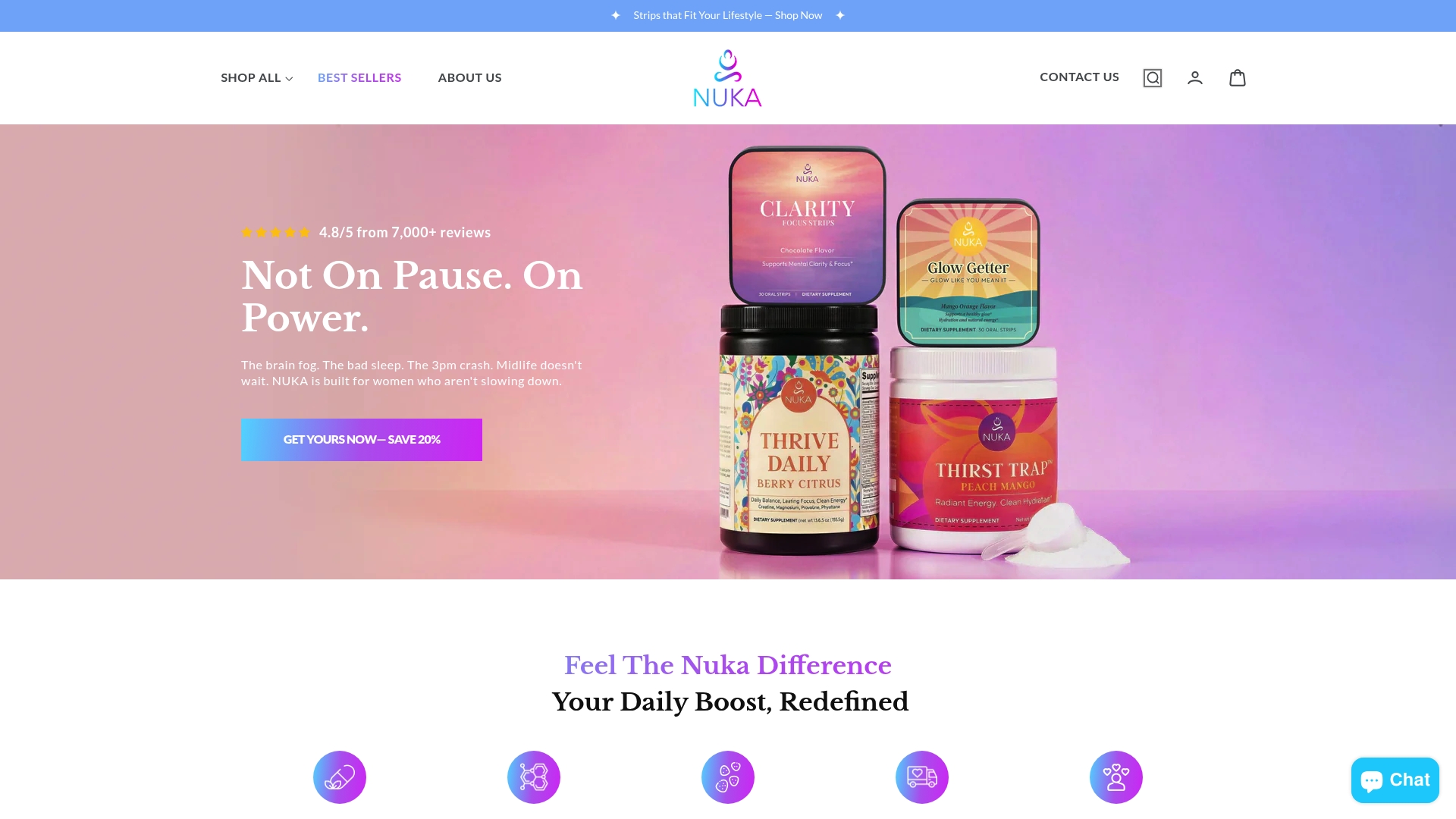
The CLARITY Focus Strips and Reclaim Your Day Bundle are the natural starting points if brain fog and energy are your primary concerns. Browse the full Nukalove shop to find the combination that fits your symptoms and your schedule.